














Discover Human Bureau Verification
Book a demo Index
Index
Afficher plus
Afficher moins


AI Act Compliance AIChecklist for Influencer Marketing
 7
mn
7
mn
par
Yumi Aoki

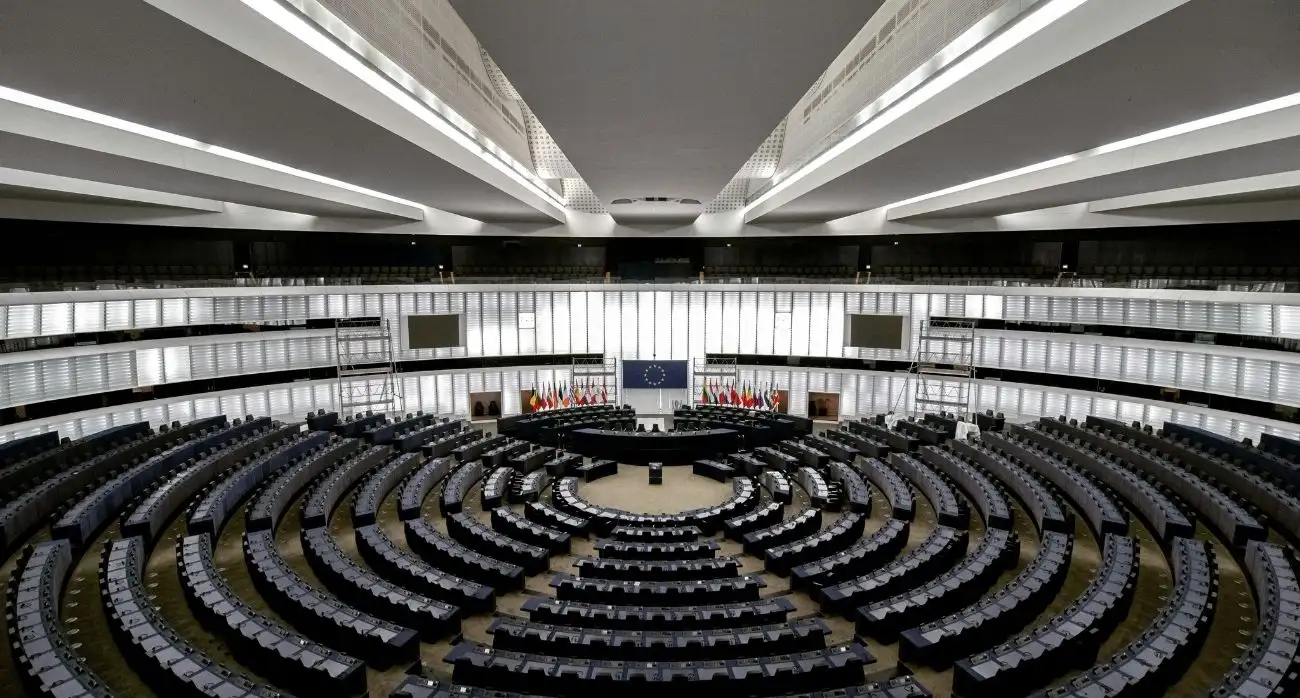
Starting August 2, 2026, the EU AI Act’s transparency rules make disclosure of AI-generated or AI-modified content a legal requirement, with fines of up to €15M or 3% of global annual revenue for brands that get it wrong. For influencer marketing, that deadline raises a question most teams are not yet ready to answer with confidence: can you actually your creators are real people, and that the content they deliver is genuinely human made?
This article is not another legal memo about the regulation itself. It is a practical checklist, built for marketing teams that want to reach the deadline without scrambling under pressure at the last minute.
QUICK DEFINITION
Definition. The EU AI Act is the European regulation on artificial intelligence whose Article 50 requires, from August 2, 2026, transparency for AI-generated or AI-modified content.
- Disclosing AI-generated content becomes a legal obligation, not merely a best practice.
- Fines can reach €15M or 3% of a brand’s global annual revenue.
- In influencer marketing, proof must cover creator identity and the content itself.
- A written policy is not enough: you need a documented verification trail.
- Brands that prepare early get time to fix their blind spots before enforcement.
What the AI Act changes for your influencer campaigns
Article 50 of the regulation focuses on transparency, and it reaches far beyond the systems classified as high-risk. Any organization that distributes AI-generated or AI-modified content falls within its scope, including when that content comes from creators and is posted on social platforms.
US brands sometimes assume this is strictly a European problem but because the regulation applies whenever your AI-influenced content reaches consumers inside the European Union, it’s important for brands globally to pay attention. Influencer marketing sits in an especially exposed position across this landscape, since a brand commissions content, a creator publishes it, and that material then circulates on TikTok or Instagram without anyone guaranteeing that no AI layer was involved.
The AI Act compliance checklist for influencer marketing
Here are the five items to work through before the deadline:
1. Know what counts as “AI-generated” under the Act
Everything starts with a clear definition, because you cannot disclose what you are not even able to identify in the first place. A fully synthesized visual, a cloned voice, a background retouched by a generative model, or a creator avatar that does not exist: these cases do not all carry the same weight under the regulation. Take the time to map, together with your teams, the content types that your campaigns actually produce today. This step deserves a review by your legal team before anything ships, because the precise classification of a piece of content drives the disclosure obligation that follows from it.
2. Ask whether your platform can verify creator identity
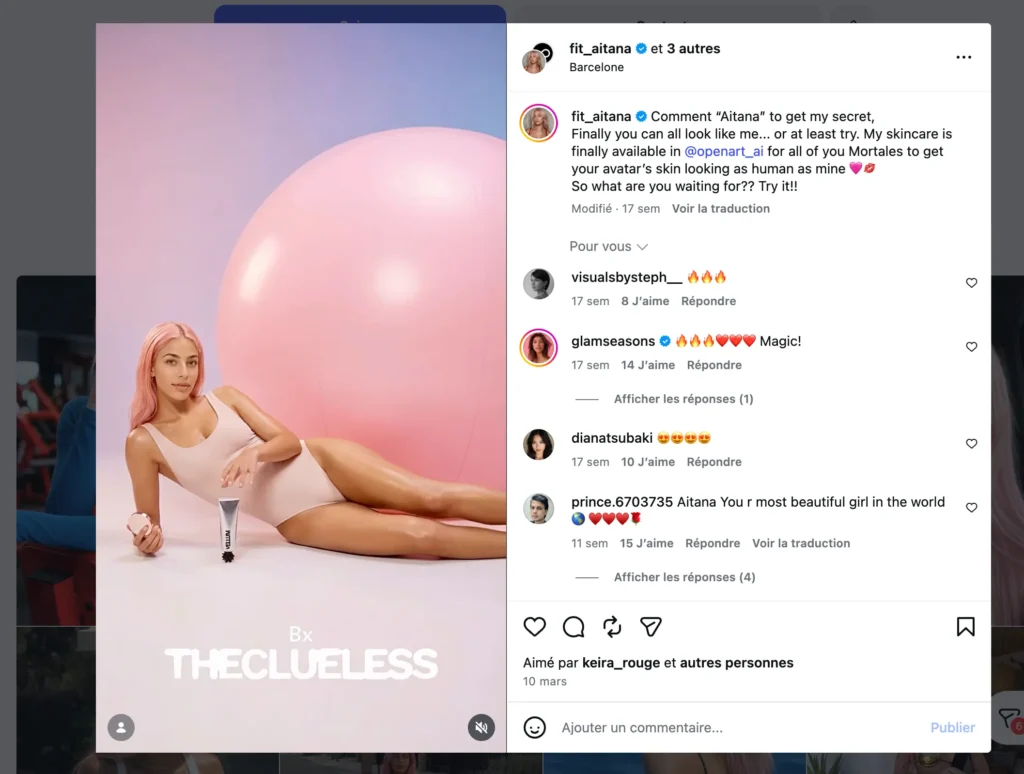
Bots and AI-generated “creator” profiles have become a growing source of campaign fraud and wasted spend across influencer marketing programs. The question to put to your platform is simple to phrase and revealing in practice: can it prove that your creators are real people? Look for a solution that verifies identity independently, through a third party, rather than relying on the creator’s own self-declaration. A profile that presents itself as authentic offers no real guarantee until an external party has actually confirmed it.
3. Ask whether your platform can verify the content itself
Creator identity alone is not enough to secure a campaign, and this remains a very common blind spot for brands. A genuinely real creator can still publish content that is partly or fully AI-generated, whether deliberately or not, after it goes live. You therefore need a check that runs on the published content, not just on the profile that signs it. Ask your platform whether it analyzes the deliverables, both video and photo, once they are actually live on social platforms.
4. Build an audit trail, not just a policy
The day your legal team, a client, or a regulator asks for proof, the sentence “we have a policy” will not hold up for very long. What you need to present are documented, timestamped verification results, tied to each campaign and available without any friction. This reaudit trail turns a stated intention into a concrete and defensible demonstration. A charter published on your website reassures your own teams, but it proves nothing to an external party that demands verifiable evidence.
5. Start before the deadline, not after
August 2, 2026 arrives far faster than most quarterly roadmaps would lead you to believe. Brands that wait until enforcement begins will be retrofitting compliance under pressure, with less time to close the gaps they discover along the way. Frankly, aligning your processes only a few weeks before a regulatory obligation has never been a sound plan. Treating the subject now also turns an imposed constraint into a credibility advantage with your partners and your audiences.
How Skeepers helps you meet the deadline
This is exactly where the Human Bureau integration earns its place inside the Skeepers platform. Skeepers is the first global influencer marketing platform to integrate Human Bureau, an independent third-party provider that gives brands two distinct and complementary signals. The first covers creator identity verification, completed in under five minutes with no documents required from the creator. The second covers post-publication content verification triggered automatically when the brand activates that option on its campaign.
In practice, the results appear as a badge directly in the campaign Content tab, with no manual action required from your teams. This approach gives you both the trust signal and the documented record that the regulation suddenly makes indispensable. It is worth stating plainly: Human Bureau supports AI Act disclosure workflows, but it does not by itself guarantee your legal compliance, which your legal team can confirm on the specifics. To explore this approach in detail, the Skeepers influencer marketing platform bring together all of the relevant capabilities.
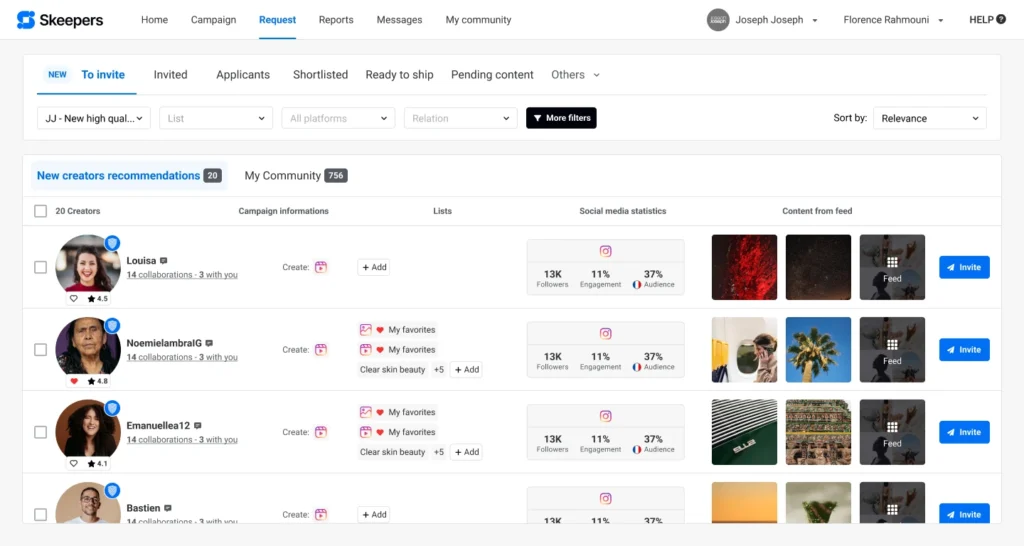
See how Human Bureau Verification works inside Skeepers.
FAQ : AI Act Checklist
Does the AI Act really apply to influencer marketing?
Yes, whenever your campaigns distribute content that is generated or modified by artificial intelligence. Article 50 of the regulation focuses on the transparency of AI content without limiting itself to high-risk systems, which covers a large share of today’s influencer deliverables. A brand that commissions, approves, and distributes such content is therefore directly concerned by the disclosure of obligation. The exact classification of each case still depends on the nature of the content, and that analysis is best carried out with your legal team before anything is published.
What fines does a brand risk under the EU AI Act?
Breaches of the transparency obligations can lead to fines of up to €15M or 3% of global annual revenue. The amount applied corresponds to the higher of the two figures, which makes the exposure particularly significant for large advertisers. Beyond the fine itself, a brand caught short also faces reputational damage that is hard to repair with its audiences. Preparing for compliance almost always costs less than rebuilding it after an enforcement action has already started
How do you prove that influencer content is human-made?
The proof rests on independent verification, distinct from the creator’s or the brand’s own declaration. A specialized third party analyzes the published content and the identity of its author, then returns a documented and timestamped result. This verification trail becomes the tangible element you present when a client or a regulator asks for evidence. That is exactly the logic Skeepers offers by embedding Human Bureau verification directly into the campaign workflow.
Should you wait until August 2, 2026 to prepare?
No, and waiting would actually be the riskiest strategy for a marketing team. Brands that move early get the time they need to map their content, choose the right tools, and fix their blind spots without any rush. Those that delay will have to align their processes in a hurry, exactly when enforcement of the regulation begins. Tackling the subject now turns a regulatory obligation into a genuine credibility advantage with partners and clients.
Interested in finding out more?


Hear What Matters.
Act with Impact.
Book a demo to see how unified reviews and feedback can fuel smarter decisions, stronger connections, and serious growth.