







 Index
Index



Here’s a number that should rearrange your media plan: micro influencers average a 7.2% engagement rate, while accounts north of a million followers limp along at 1.7%. Huge list of followers is not always better.
For B2C brands in beauty, fashion, retail, and consumer goods, that gap is the whole game. A micro influencer (a creator with roughly 10,000 to 100,000 followers) doesn’t sell reach. They sell trust, inside a niche audience that actually listens. This guide is the complete playbook: what a micro influencer is, why the data keeps favoring them over macro creators, what they cost, how to find them, how to run campaigns that convert, and how to prove the ROI to a leadership team that still thinks follower count is a KPI. (It isn’t.) New to the tier? Our primer on working with micro influencers covers the fundamentals first.
Micro Influencer Definition: What Sets Them Apart
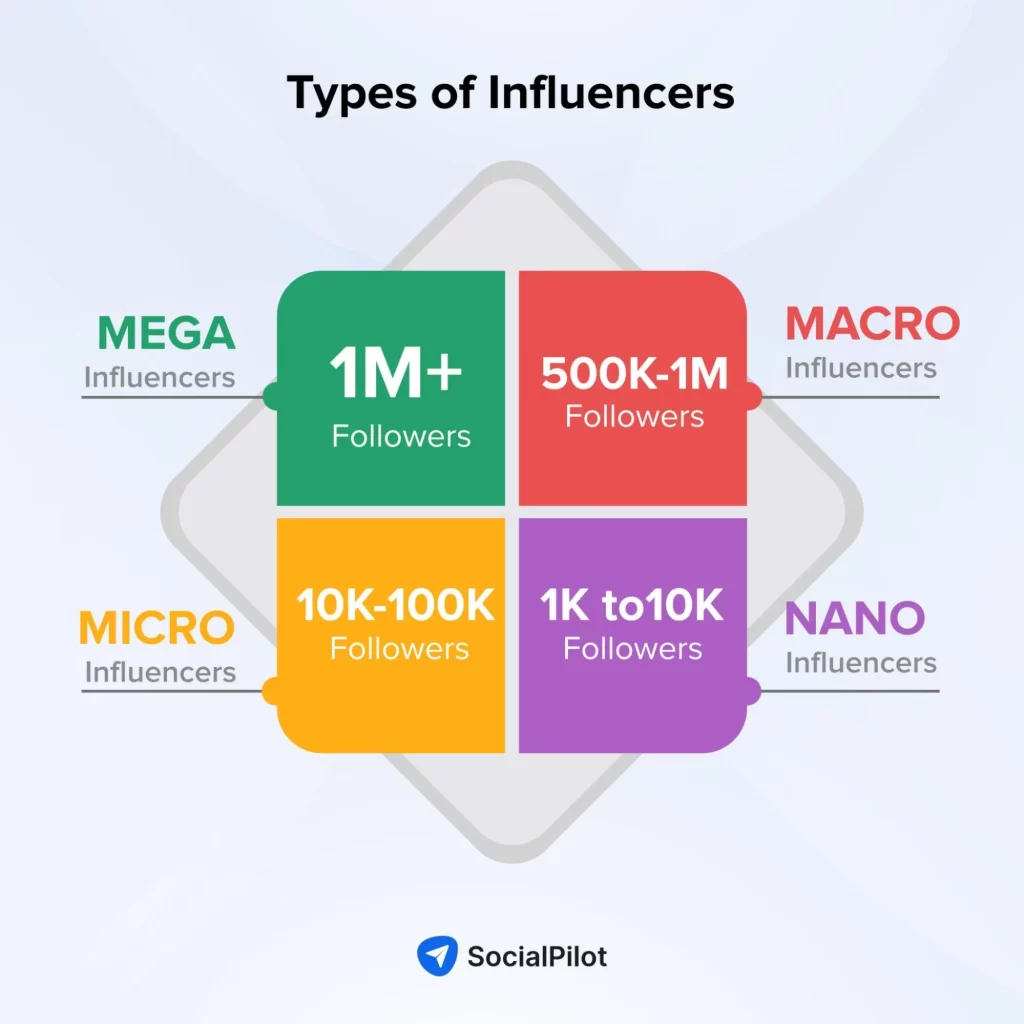
A micro influencer is a social media creator with 10,000 to 100,000 followers and a tightly defined niche. That’s the definition most of the industry agrees on. What sets them apart isn’t size, it’s proximity: their audience treats them like a knowledgeable friend, not a billboard.
Quick reference:
- Followers: 10,000 to 100,000.
- Engagement rate: typically 4% to 7%.
- Specialty: one niche (beauty, fitness, food, parenting).
- Best for: product launches, UGC, mid-funnel conversion.
- Relationship: high trust, high response rate.
The label matters less than the behavior. Some 200K accounts act like billboards; some 20K accounts move product like nobody’s business. Size starts the conversation. It never finishes it.
Micro Influencer Follower Count: Where Does the Tier Begin and End?
The standard range runs 10,000 to 100,000 followers. Simple enough, except nobody fully agrees. Some agencies cap the tier at 60,000 and carve out a separate mid-tier above that; others stretch the floor down toward5,000. Below 10K you’re in nano territory; above 100K you cross into macro.
Why the fuzziness? Because the number was always a proxy for what brands actually want: attention and influence. A 40K TikTok account can out-influence a 90K Instagram one in the same category. Treat the tier as a starting filter, then judge each partner on engagement and fit.
Micro vs. Nano Influencers: Key Differences
Nano influencers (1,000 to 10,000 followers) post the highest engagement rates in the game, often 5% to 10%, because their audience is small enough to feel personal. The trade-off is reach. You’ll need a lot of them to move a number.
The micro tier (10,000 to 100,000) gives up a little engagement (roughly 4% to 7%) for meaningful scale and broader niche authority. For a launch that needs both authenticity and volume, that’s the sweet spot. Rule of thumb: nano for hyper-local or community plays, micro for scalable launches and UGC at volume. Need a side-by-side? Our breakdown of nano, micro, and macro influencers maps each tier to campaign goals.
Micro vs. Macro Influencers: Why Size Isn’t Everything
Macro influencers (100,000 to a million followers) bring reach and polish. They also bring a problem: engagement craters as the audience balloons. The 7.2% versus 1.7% gap isn’t a rounding error, it’s an inversion. More followers, less actual influence per follower.
Trust follows the same curve. 61% of consumers find micro influencers more authentic and trustworthy than their larger counterparts, per Market.us. And the economics compound: micro creators run a cost per engagement roughly 65% lower than macro names (Statusphere). You pay less for interactions that mean more. None of this kills the case for macro. Top-of-funnel reach has its place. But if your goal is conversion, rawsize is the weakest signal on the dashboard.
Why Brands Work With Micro Influencers: The Data
Marketers love a good instinct. Leadership wants receipts. The case for micro influencer marketing is one of the best-documented bets in the channel, and four numbers do most of the persuading: engagement, trust, cost, and precision.
Higher Engagement Rates
Engagement is where the tier earns its reputation. Micro influencers average a 7.2% engagement rate on Instagram; accounts above a million sit at 1.7% (Market.us). Translated: a creator with 30,000 engaged followers can generate more comments, saves, and shares than a celebrity with three million passive ones.
Saves and shares are the signals that matter, because they predict intent, not just attention. A like is a reflex. A save is a plan to buy. That’s why a portfolio of small accounts routinely beats one big post on every metricthat touches revenue.
Stronger Audience Trust and Authenticity
People trust people who look like them. 82% of consumers say they’re likely to act on a recommendation from a micro influencer, and 61% rate them as more trustworthy than bigger names (Market.us). That’s not vanitydata. It’s purchase intent.
Authenticity is the mechanism. These partners built their following one honest post at a time, so a recommendation reads as a tip from a friend rather than a paid placement. Over-script the brief and the whole advantageevaporates. Authenticity here isn’t a nice-to-have. It’s the product you’re actually buying.
Superior Cost-Effectiveness and ROI
Now the part leadership cares about. Influencer marketing returns an average of $5.20 for every $1 spent, according to Influencer Marketing Hub. Micro creators sharpen that further: their cost per engagement runs about 65% below macro rates (Statusphere).
The market has noticed. 73% of brands now prefer micro and mid-tier partners over macro names (Influencer Marketing Hub). It’s a budget story as much as a performance one. You can activate twenty small accounts for the price of one big post, then let attribution tell you which to scale.
Niche Targeting and Audience Precision
Reach is a blunt instrument. Precision wins. A skincare label doesn’t need a million eyeballs; it needs the few thousand who already care about retinol and barrier repair. Micro influencers deliver exactly that: a niche audience self-selected by interest.
That targeting lifts purchase intent because the recommendation lands in context. A running-shoe review inside a marathon-training community converts harder than the same clip broadcast to a generic lifestyle feed. A portfolio approach lets you stack partners across demographics, geography, and platform, building coverage one large account can’t replicate.
Micro Influencer Rates: How Much Does It Really Cost?
Straight answer, because this is the question everyone whispers and few articles answer cleanly. Micro influencer rates depend on platform, niche, engagement, and scope, but the working ranges are well established: roughly $100 to $500 per Instagram post, $20 to $125 per TikTok video, and $200 to $1,000+ for a YouTube integration (GRIN, Awisee). The average sponsored post lands around $250, versus $1,000 or more for a macro creator (Market.us).
Those are sticker prices, not what most teams actually pay. Plenty of partnerships run on gifting or commission, which drops cash outlay close to zero. Rates are a starting point. Your compensation model is the real lever.
Gifting vs. Paid vs. Affiliate: Choosing the Right Compensation Model
Three models, three jobs. Product gifting (or seeding) is your discovery engine: ship product, no fee, see who posts and who performs. Low-risk, low-cost, perfect for launches or for testing a new partner before youcommit budget. Skeepers’ product launch and seeding solution automates the logistics so you’re not running it from a spreadsheet.
Affiliate marketing is your scale engine. Pay on performance: a commission or a code-tracked sale. Costs stay tied to results, which keeps finance happy and lets you scale winners indefinitely. Paid flat fees are for high-priority campaigns that need guaranteed deliverables, timing, and usage rights. Most mature programs blend all three: gift to discover, affiliate to scale, pay to lock in your top partners.
How to Find Micro Influencers for Your Brand
Finding the right people is the part that breaks most programs. Not because micro influencers are hidden, but because there are millions of them and only a handful fit your brand. Four approaches, from free-but-slow to fast-and-scalable. (Selling through social commerce? Our guide to finding micro influencers for TikTok Shop goes deeper on that channel.)
Mine Your Existing Customer Base
Your next micro influencer might already have your product in their cart. Loyal customers who already post about you convert better than strangers, because the enthusiasm is real and pre-existing. Start there.
Search your branded hashtag. Scan tagged posts and mentions. Pull the customers who keep showing up across your social media comments and DMs. These people are advocates already; you’re just formalizing the relationship. Skeepers’ creator identification solution surfaces your highest-affinity customers automatically, so you’re not combing feeds by hand. Cheapest acquisition cost in the playbook.
Use a Creator Marketplace or Influencer Platform
Manual search doesn’t scale past a handful of profiles. A creator marketplace does. These platforms let you filter by niche, follower count, engagement rate, and audience demographics, then handle outreach, contracts, and payment in one place.
This is where a dedicated tool earns its keep. The Skeepers Influencer Marketing platform offers AI-powered matching across 400,000+ vetted creators, which collapses discovery from weeks to an afternoon and screens out fake-follower accounts before they cost you. That’s the difference between a one-off pilot and an always-on engine.
Set Up a Creator Application Page
Flip the funnel: let them come to you. An application or ambassador page turns inbound interest into a sourcing channel, and it works especially well with micro influencers, who are actively hunting for brand partners.
Keep it simple. State who you’re looking for (niche, follower range, platforms), spell out the perks and commission structure, and add a short application form. Then promote it in your bio, your post captions, and your social media ads. The creators who apply already like you. That’s a warm lead, not a cold pitch.
Leverage Social Listening and Hashtag Research
Social listening catches rising voices before they get expensive (and before a competitor signs them). Monitor your brand mentions, category hashtags, and competitor tags to spot talent gaining momentum in your niche.
The trick is timing. A profile at 25,000 followers with climbing engagement is the buy; the same account at 250,000 next year costs ten times more and converts less. Hashtag research also reveals the language youraudience actually uses, which sharpens every brief you write afterward. Listen first, pitch second.
Find Your Perfect Micro Influencers
Stop scrolling feeds and start matching. Explore the Skeepers Influencer Marketing platform →
How to Run a Successful Micro Influencer Campaign
Finding the talent is step zero. Running the campaign is where ROI is won or lost. The brands that get compounding returns treat each activation as part of a system, not a one-off. Four steps separate the programs thatscale from the ones that fizzle.
Step 1 — Define Your Goals and KPIs Before You Launch
Decide what winning looks like before a single post goes live. Awareness, UGC, and conversion are three different campaigns with three different scorecards. Pick one as primary.
Then set the benchmark up front. If the goal is conversion, define the target cost per acquisition now, not after the invoices land. If it’s UGC, decide how many usable assets equal success. Vague goals produce vague reports, and vague reports get budgets cut. KPIs set on day one let you walk into the QBR with a number instead of a vibe.
Step 2 — Write a Brief That Motivates, Not Restricts
A great brief gives direction without dictating. Include the essentials: campaign overview, a quick brand background, creative guardrails (not a script), exact deliverables, timelines, and, crucially, clear FTC disclosureinstructions.
Then stop. The most common rookie move is cramming the brief with mandatory talking points until the content reads like a press release. Your partners know their audience better than you do. Give them the goal and the non-negotiables, then trust them with the how. The best brief I’ve seen fit on one page: three must-dos, two must-nots, one deadline. It crushed a twelve-page deck.
Step 3 — Give Creators Creative Freedom
Authenticity is the asset you’re paying for, so don’t edit it out. Over-produced, over-scripted content underperforms because audiences can smell a corporate hand in every frame. The whole reason these partners convertis that they sound like themselves.
Let them choose the format, the hook, the angle. Encourage A/B testing of what lands with their followers. Your job is to set the guardrails and get out of the way. Someone who feels like a collaborator makes bettercontent than a contractor reading your lines.
Step 4 — Repurpose Top Content Across Channels
This is the step that turns a cost into an investment. A single high-performing micro influencer post has at least five more lives: product-page social proof, paid ad creative, email content, organic reposts, even connectedTV. Don’t let it die in one feed.
Lock usage rights in the contract up front (retrofitting them later is awkward and expensive). Then route your top UGC into paid channels, where authentic, real-person content consistently beats studio-shot assets on click-through and cost. The brands winning here aren’t spending more. They’re squeezing every channel out of assets they already paid for.
Micro Influencer KPIs: Measure Beyond Likes
Likes are the participation trophy of influencer marketing: nice to see, useless in a board deck. If you want to keep your budget (and grow it), measure the metrics that actually map to revenue. Here’s the scorecard thatsurvives leadership scrutiny.
The Metrics That Actually Predict Campaign ROI
Five numbers carry the weight:
- Earned Media Value (EMV): the ad-spend equivalent of the organic reach you earned.
- Cost per engagement (CPE): total spend divided by meaningful interactions. The truest efficiency metric.
- Conversion rate: clicks and promo-code redemptions that became sales.
- Affiliate-attributed revenue: direct, trackable dollars tied to a creator’s link.
- Content licensing value: what the reusable UGC would have cost to produce in-studio.
Notice what’s missing: raw follower count. It predicts almost nothing about campaign ROI. Track these five and you can defend every dollar, attribute outcomes to specific partners, and double down on what works insteadof guessing.
How to Build a Micro Influencer Reporting Dashboard
A dashboard is just your KPIs in one honest place. Build it before the campaign, not after. Track impressions, engagement rate, link clicks, promo-code redemptions, and usable UGC assets generated, broken out per partner so you can see who’s pulling weight.
Update it in real time if you can. The point isn’t a pretty chart; it’s faster decisions: cut the underperformers mid-flight, reallocate to the winners, and walk into planning with a clear read on cost per outcome. A platform that auto-captures tagged content saves hours of manual screenshotting.
FTC Compliance: Disclosure Rules for Micro Influencer Campaigns
Skip this section and you’re gambling with your brand’s legal exposure. In the US, the FTC requires clear disclosure on all sponsored content, including gifted product. #ad or #sponsored has to be obvious, not buried in a wall of hashtags or hidden behind a ‘more’ link.
Here’s the part brands miss: the liability is yours, not just the creator’s. If a micro influencer fails to disclose, the FTC can pursue the advertiser. With a portfolio of dozens of creators, manual compliance checking doesn’tscale, and one missed #ad can become a headline.
This is where platform tooling stops being a luxury. The Skeepers Influencer Marketing platform builds disclosure requirements and compliance checks into the workflow, so every partner gets clear instructions and you getan audit trail instead of a liability. Compliance isn’t the fun part of influencer marketing. It’s the part that keeps the program alive.
5 Mistakes Brands Make With Micro Influencers (And How to Avoid Them)
Most micro influencer programs don’t fail because the strategy is wrong. They fail on execution, in five predictable ways. Here’s how to dodge each.
- Choosing on follower count alone. The biggest account is rarely the best fit. Engagement rate and niche alignment beat raw numbers every time: a 30K creator in your category will out-convert a 300K generalist.
- Over-scripting the creative brief. Hand a creator your talking points verbatim and you kill the authenticity you paid for. Set guardrails, then let them sound human.
- Running one-off campaigns with no creator roster. Single activations leave compounding ROI on the table. Build a roster of repeat micro influencers and your cost per result drops every cycle.
- Ignoring FTC disclosure. A missing #ad is a legal and reputational risk, and the liability lands on you. Bake disclosure into every brief.
- Not repurposing creator content. UGC carries multi-channel value: ads, email, product pages. Letting it live and die in one feed wastes the investment.
Ready to build a micro influencer program that scales?
See how Skeepers brings AI-powered matching, campaign management, and built-in FTC compliance together in one platform. Book a free platform demo →
FAQs
What is a micro influencer?
A micro influencer is a social media creator with between 10,000 and 100,000 followers who commands a highly engaged, niche audience.
Micro influencers occupy a specific tier in the creator economy, defined by follower counts ranging from 10,000 to 100,000 across platforms such as Instagram, TikTok, and YouTube. Unlike celebrity or macro influencers, they focus on a defined niche (beauty, fitness, food, parenting, or sustainable fashion) and cultivate tight-knit communities that trust their recommendations. Their audience engagement rates average 7% on Instagram, compared to 1.7% for accounts exceeding one million followers. For brands, micro influencers represent a cost-efficient entry point into influencer marketing: they combine authentic storytelling with measurable reach, making them particularly effective for product launches, UGC generation, and mid-funnel conversion campaigns targeting specific consumer segments.
How many followers does a micro influencer have?
A micro influencer typically has between 10,000 and 100,000 followers, though some platforms define the upper boundary at 60,000.
The exact follower threshold for a micro influencer varies by platform and industry convention. The most widely accepted definition places micro influencers at 10,000 to 100,000 followers. Some agencies narrow thisrange to 10,000 to 60,000, distinguishing a ‘mid-tier’ category for creators with larger audiences. Below 10,000 followers, creators are classified as nano influencers; above 100,000, they enter macro influencer territory. In practice, follower count alone is a poor predictor of campaign performance. Engagement rate, audience quality, niche alignment, and content consistency are more reliable indicators of a micro influencer’s commercial value to a brand: a 30K-follower beauty creator in a targeted niche can outperform a 300K lifestyle account on cost per engagement.
What is the difference between nano and micro influencers?
Nano influencers (1K to 10K followers) have higher engagement rates but limited reach, while micro influencers (10K to 100K) offer broader niche authority and are more scalable for brand campaigns.
Nano and micro influencers both operate in the high-trust segment of the creator economy but differ in scale and commercial application. Nano influencers achieve average engagement rates of 5% to 10% and are oftenperceived as trusted peers, making them effective for hyper-local or community-based campaigns. Micro influencers deliver 4% to 7% engagement rates combined with broader niche reach, making them well-suited for scalable product launches, UGC generation, and affiliate-driven campaigns. For brands seeking to build awareness at scale while maintaining authenticity, activating a portfolio of micro influencers typically outperforms a single macro partnership in terms of cost per engagement, content volume, and audience diversity.
How much do micro influencers charge per post?
Micro influencer rates typically range from $100 to $500 per Instagram post, $20 to $125 per TikTok video, and $200 to $1,000+ per YouTube integration.
Micro influencer pricing varies by platform, niche, engagement rate, and campaign scope. On Instagram, sponsored posts generally cost $100 to $500, with Reels commanding a premium over static posts. TikTok rates are lower, typically $20 to $125 per video, though creators in high-value niches like finance or wellness may charge significantly more. YouTube integrations start at $200 and can reach $1,000 or above. Many micro influencer partnerships begin with product gifting or affiliate commission models, which reduce upfront brand investment. In 2026, 73% of brands report preferring micro and mid-tier influencer partnerships over macro deals, primarily because the cost per engagement is far more favorable at the micro tier.
Why are micro influencers more effective than macro influencers?
Micro influencers deliver higher engagement rates, stronger audience trust, and better ROI than macro influencers, at a fraction of the cost.
Micro influencer campaigns consistently outperform macro and celebrity partnerships on key performance metrics. Engagement rates average 7.2% for micro influencers on Instagram, versus 1.7% for accounts exceedingone million followers. Over 82% of consumers report following purchase recommendations made by micro influencers, and 61% perceive them as more trustworthy than larger-scale counterparts. From a ROI standpoint, influencer marketing averages $5.20 per dollar spent (Influencer Marketing Hub), well above the roughly $2.90 brands typically see across cross-channel paid social. For B2C brands in beauty, fashion, food, and consumer goods, a portfolio strategy (activating 10 to 50 micro influencers simultaneously) maximizes content volume, audience diversity, and attribution accuracy.
How do brands find micro influencers?
Brands find micro influencers through creator marketplaces, social listening tools, hashtag research, existing customer communities, and dedicated influencer marketing platforms.
Identifying the right micro influencers requires a combination of manual research and technology-assisted discovery. Key methods include searching branded hashtags and product mentions to surface customers alreadyengaging with the brand; using creator databases to filter by niche, follower count, engagement rate, and audience demographics; deploying social listening to monitor relevant conversations; and setting up application pages that allow creators to self-select. Influencer marketing platforms automate much of this process. Skeepers, for instance, provides AI-driven matching across 400,000+ vetted creators, dramatically reducing discoverytime and improving brief-to-activation conversion rates. Long-term, building an owned creator roster reduces sourcing costs and improves campaign consistency across product launches.
What are the risks of working with micro influencers?
The main challenges include limited individual reach, higher coordination overhead at scale, and variable content quality across a large creator pool.
While micro influencers offer strong advantages, brands should account for several operational considerations. Limited individual reach requires activating multiple creators simultaneously to achieve significant audience coverage, which increases coordination complexity. Micro influencers may lack professional experience with brand briefs, making onboarding and quality control more resource-intensive than working with establishedmacro creators. Content performance can be unpredictable: engagement rates vary widely even within the micro tier. To mitigate these risks, brands should establish clear content guidelines, use standardized briefingprocesses, implement performance-based compensation (gifting plus affiliate), and leverage influencer management platforms to automate outreach, brief distribution, performance tracking, and reporting across large creator pools efficiently.