
Skip to content

Skeepers hub

Find our key resources to boost your influence, engagement, and customer experience strategy: ebooks, case studies, articles, webinars, reports, and more.

Our recommendations

The complete guide to influencer whitelisting on Tiktok and Meta 

The complete guide to influencer whitelisting on Tiktok and Meta 

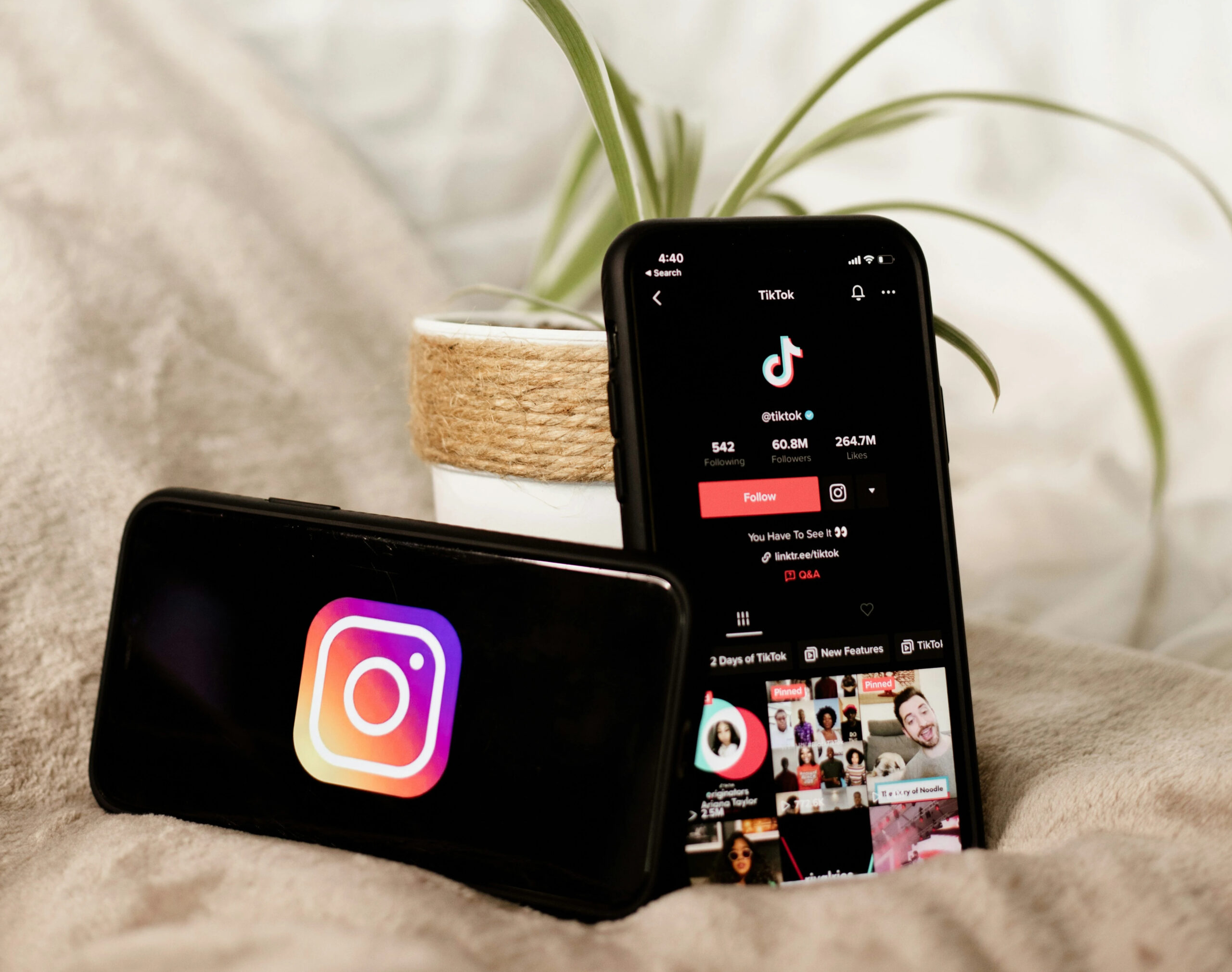
Influencer marketing doesn't have to end when a creator hits post. While organic content helps brands build awareness and connect with audiences, influencer whitelisting gives brands an opportunity to take that content further by amplifying it through paid media. The practice is commonly referred to as influencer whitelisting or boosting. On Meta, the official feature is called Partnership Ads. On TikTok, it's known as Spark Ads. By running ads through a creator's social media account, brands can reach new audiences, introduce creator-led creative into their paid campaigns and get more mileage from their influencer partnerships.  But how does influencer whitelisting actually work? And what do brands need to consider before getting started? From setting up Meta Partnership Ads and TikTok Spark Ads to managing creator permissions, content licensing and FTC disclosures, here's what you need to know.
Article 16mn
Influencer Marketing ROI: What are the right tools to measure it? 

Influencer Marketing ROI: What are the right tools to measure it? 

Influencer marketing has evolved well beyond sponsored posts and discount codes. Today, brands are activating creators to build awareness, generate authentic content, fuel paid media campaigns, support product discovery and drive sales. But as influencer programs become more sophisticated, measuring their impact has become more complicated. For many brands, influencer marketing ROI is still measured primarily through attributed revenue, promo codes and affiliate links. While these metrics are important, they only tell part of the story. A creator's impact doesn't necessarily end when someone clicks a link or makes a purchase. Their content can generate millions of impressions, influence future purchasing decisions and provide brands with reusable assets for paid social, product pages, email and other marketing channels. In fact, according to the Interactive Advertising Bureau (IAB), US creator economy ad spend was projected to projected to reach $44 billion in 2026, up from $37 billion in 2025 reach $37 billion in 2025, as brands increasingly treat creators as a core part of their media strategy. To understand the full impact of influencer marketing, brands need a measurement strategy that looks beyond immediate conversions and accounts for the different ways creator partnerships contribute to business and marketing objectives. In this guide, we'll break down the most important influencer marketing metrics, how to measure performance across different campaign objectives, and the tools brands can use to understand what's working.
Article 21mn
The best UGC content platforms for brands, compared by use case 

The best UGC content platforms for brands, compared by use case 

The best UGC content platform for your brand depends on your brand’s strategy and what goals you are trying to achieve. "UGC platform" actually covers three different types of products. Content production platforms have people make assets to your brief in exchange for monetary payment or product. Marketplaces handle discovery, contracts, and payment. Social aggregators collect posts that already exist so you can reuse them. Buying the wrong type is the most common mistake in this market. In this comparison, we look at seven platforms on the five criteria that matter most, explain where each one falls short, and show you how to pick the right category.
Article 17mn
How to Pick the Best Influencer Platform for an Ecommerce Brand 

How to Pick the Best Influencer Platform for an Ecommerce Brand 

There is no single best platform. The choice turns on three variables. How you pay influencers (product, cash or commission), whether you need a store connection, and who owns the usage rights. A brand paying on commission needs a commerce integration. A brand sourcing content does not.
Article 15mn
How Brands Choose Which Creator Posts to Turn Into a Paid Ad? 

How Brands Choose Which Creator Posts to Turn Into a Paid Ad? 

Choose creator content based on paid performance potential by securing licensing rights, scoring key signals, testing top creatives, and rotating winners when performance declines.  Brands have more creator content than ever, but having a library full of great posts creates a new challenge: which ones are worth putting paid media behind? A post that performs well organically can be a strong starting point but likes alone don’t tell you whether that content will drive attention, engagement, clicks, or conversions once you put budget behind it. The best candidates combine strong content and creator fit with signals like watch time, retention, saves, shares, clicks, and ultimately performance against your paid media goals. This guide breaks down what brands should look for when deciding which creator content to amplify with paid spend.
Article 15mn
Why Do Black Friday Campaigns Work Better With Micro-Influencers?  

Why Do Black Friday Campaigns Work Better With Micro-Influencers?  

In short: why Black Friday campaigns work better with micro-influencers  Black Friday campaigns work better with micro-influencers because shoppers facing hundreds of competing deals lean on trusted, niche recommendations rather than reach. Micro-influencers deliver that trust while Meta CPMs peaked 138% above their yearly average on Cyber Monday 2024, according to Gupta Media. Per Adobe,...
Article 12mn
How Moose Toys turned gifting into a scalable UGC and paid media engine

How Moose Toys turned gifting into a scalable UGC and paid media engine

How Moose Toys turned gifting into a scalable UGC and paid media engine
Cases study 2mn
How to use AI tools to scale your creator program without losing authenticity?

How to use AI tools to scale your creator program without losing authenticity?

Scale and authenticity only trade off against each other if you point AI at the wrong layer. Used on the operations layer, briefing, matching and reformatting, AI tools let a creator program go from twenty creators to two thousand without changing the authentic content viewers see on camera. Used on the content layer, generating faces, voices or reviews, they destroy the exact thing that made the content work. This guide draws that line precisely, gives you the checks to run before a brief goes out, and covers what the FTC and the EU still require of you.
Article 16mn
How to use UGC for paid social ads that actually convert? 

How to use UGC for paid social ads that actually convert? 

UGC can make paid social ads more effective but only when the content is built to perform. According to TikTok, UGC ads delivered a 21% higher conversion rate and 17% lower CPA than non-UGC ads. But getting those results takes more than handing a creator a brief: brands need the rights to edit and scale their content, and they need to brief for the hook, not just the video.This guide walks the five steps in order: lock rights before you brief anyone, set up whitelisting correctly on TikTok and Meta, brief for the first three seconds, build a creative testing system, then recycle what already works organically. It is written for product brands running their own paid media.
Article 17mn
Which UGC platform is best for a DTC beauty brand? 

Which UGC platform is best for a DTC beauty brand? 

There is no single best UGC platform for a beauty brand. The right one casts creators across your full shade range and every skin type you sell to, produces multi-week before and after content, keeps its product messaging compliant, and generates written reviews alongside video UGC. Those four requirements do not appear in generic platform rankings, which is why beauty teams keep buying tools that suit a beverage brand. This guide gives you the six criteria that decide it, plus the questions to ask in your next demo.
Article 17mn
Social proof content: what drives consumers to trust brands? 

Social proof content: what drives consumers to trust brands? 

Trust has become the scarce resource in consumer marketing, and social proof content is what buys it back. The short verdict: seven types of social proof exist, and each carries weight at a different moment in the decision. According to BrightLocal's 2026 consumer review survey, 97% of consumers read reviews before choosing what to buy. What they read, and whether they believe it, is the whole game.
Article 20mn
How to Do Influencer Outreach at Scale (Without Cold DMs) 

How to Do Influencer Outreach at Scale (Without Cold DMs) 

Influencer outreach is the work of finding creators, contacting them, and convincing them to make content for your brand. Done by hand, it stops working somewhere around the fiftieth name on the list. Theargument is simple: the bottleneck is not your message. It is the playbook. Creators should be interesed enough in your campaigns to come to you instead of receiving one more cold DM from a brand they have never heard of. 
Article 15mn
How Alpyn Beauty Scaled Creator Content to Generate 823K+ Impressions and $132K+ in EMV

How Alpyn Beauty Scaled Creator Content to Generate 823K+ Impressions and $132K+ in EMV

How Alpyn Beauty Scaled Creator Content to Generate 823K+ Impressions and $132K+ in EMV
Cases study 2mn
Product Seeding: How to Turn Influencer Gifting Into a Scalable Growth Channel 

Product Seeding: How to Turn Influencer Gifting Into a Scalable Growth Channel 

Here is a number that should make every growth marketer look twice: 83% of creators will post about a product for the gift alone, no fee required, if they genuinely like it, according to 2026 gifting data. That is the quiet engine behind product seeding, and it is why lean teams keep beating bigger paid budgets. ...
Article 12mn
GEO Is the New SEO: How to Optimize Your Brand for AI Search Answers? 

GEO Is the New SEO: How to Optimize Your Brand for AI Search Answers? 

Ask any shopper how they found their latest skincare buy or running shoe. A year ago, the answer was Google. Today, a growing share will tell you they asked an AI chat instead. Nearly 60% of US consumers now use generative AI tools somewhere in their shopping journey, and one in four already trust ChatGPT’s product picks over Google’s,...
Article 16mn
Creator Marketplaces for Brands: The 7 Best Platforms to Scale Creator Marketing in 2026 

Creator Marketplaces for Brands: The 7 Best Platforms to Scale Creator Marketing in 2026 

Influencer marketing crossed $44 billion in 2026, up 18% in a single year, according to industry tracking. Yet most growth teams still source creators the slow way: cold DMs, scattered spreadsheets, and a hope that creators actually post. That does not scale.  A creator marketplace fixes the bottleneck. Instead of hunting one influencer at a time, you tap a vetted community of...
Article 15mn

Our key topics

Premium content

The Trust Paradox: Consumer Trust Signals in the Age of AI.

Our experts can help you create your strategy for creating and collecting social proof, including reviews, and UGC.

Content hub

Filtres
filter icon
Brand ambassadors vs. influencers, what’s the difference?

Brand ambassadors vs. influencers, what’s the difference?

What’s the difference between brand ambassadors and influencers? Spoiler alert: being an influencer and being a brand ambassador isn’t all that different. As a physical brand or a brand in e-commerce, it’s highly advisable to take advantage of influencers-ambassadors for your influencer marketing campaigns. Let us tell you why.
Article 6mn
Infographics: the influencer pyramid

Infographics: the influencer pyramid

For many years, celebrities were thought of as the only influencers. Nowadays, we can easily count four different types of influencers: the all-stars (celebrities), the macro influencers, the micro influencers and the nano influencers. Discover who they are through our infographic, what sets them appart and what each of their strengths are.
Article 2mn
Influencer Marketing: key data to know for 2021

Influencer Marketing: key data to know for 2021

The year 2020 has been key for influencer marketing: the sanitary crisis that has gripped the world has also changed our consuming habits, our way of communicating, of interacting with one another and even of marketing. All the underlaying trends have been accelerated in response to the demand of rapid adaptation the sanitary health crisis...
Article 5mn
How to optimize SEO with influencer marketing?

How to optimize SEO with influencer marketing?

Having a good SEO is essential for any company that wants to be visible on the Internet and boost its e-commerce. To be well referenced on Google, the content must be optimised so that it is favoured by its algorithm.
Article 5mn
5 of the Best Ways to Collaborate with Influencers

5 of the Best Ways to Collaborate with Influencers

Influencer marketing is an awesome way for brands to reach a wider audience, create authentic user-generated content, and convert more customers. But it takes more than just reaching out to an influencer and asking them to promote your brand. Successful influencer partnerships are all about building relationships and collaboration between brands and influencers. Collaborating effectively...
Article 4mn
Weber customers share their passion for BBQ on video

Weber customers share their passion for BBQ on video

Weber has been making and selling barbecues, grills, and cooking accessories since 1952. The brand was looking for a way to enrich the product pages on its e-commerce site to support the online customer journey. Find out how they achieved this with videos made by their community of customers.  Discover the product as if you were...
Article 2mn
6 Top Tips for Building Your Influencer Relationships

6 Top Tips for Building Your Influencer Relationships

You’ve identified, vetted, and connected with influencers who are in your niche and have an engaged and loyal following. But once you find your VIP influencers, what happens next? Partnering with influencers doesn’t stop after you launch your first campaign together. Influencers are effective because they’re authentic and their followers trust them. When influencers promote...
Article 5mn
How Are Brands Adapting Their Offline Influencer Activations Digitally?

How Are Brands Adapting Their Offline Influencer Activations Digitally?

When in-person plans have to shift online, brands have to adapt and find new ways to connect with customers and partners. Many companies that work with influencers use them for a variety of in-person events like product launches, master classes, and more. If these events are canceled, brands have to adjust the way they connect...
Article 5mn
Multi-channel, Cross-channel, Omni-channel: what's the difference

Multi-channel, Cross-channel, Omni-channel: what's the difference

The marketing world has changed a lot in the past few decades, with computers and then mobile phones becoming our main resources for communication and exchange. As a result of our evolution into an interconnected society, our marketing tools and approaches have also evolved into better interconnected networks, using multiple channels to communicate and sell...
Article 5mn
Sol De Janeiro

Sol De Janeiro

How Sol de Janeiro increased brand awareness and sales thanks to YouTube and Instagram influencers.  Catching Influencers’ Attention and Generating Sales The Goal Brazilian-inspired beauty brand, Sol de Janeiro, had two objectives: raise brand awareness and generate sales. With that in mind, the brand had to market the right products to the right audience. The...
Article 1mn
Why You Need an Influencer Marketing Platform Now More Than Ever

Why You Need an Influencer Marketing Platform Now More Than Ever

Our day-to-day lives look different, both personally and at work. Businesses are changing plans and strategies to respond to the COVID-19 pandemic. For marketers, the show must go on, but it might not look exactly the same. As many companies have shifted to working remotely, marketers are having to manage their normal processes from home....
Article 4mn
Why Earned Media Value Isn't An Accurate Metric to Track

Why Earned Media Value Isn't An Accurate Metric to Track

For all marketing tactics, including influencer marketing, tracking the metrics of your campaigns helps gauge their performance. But not all metrics are created equal and some hold less weight than others.  Earned media value, or EMV, is social media exposure gained through recommendations, word-of-mouth conversations, or conversations about a brand. EMV can come from reviews,...
Article 3mn
What Are the Different Types of Influencers?

What Are the Different Types of Influencers?

Influencers are individuals who have a loyal and engaged following on social media and who partner with brands and businesses to market products to their audience. Influencers focus on different topics and demographics and can have a range of followers from less than a thousand to over one million.  You may have heard the terms...
Article 7mn
Why Influencer Marketing is Effective

Why Influencer Marketing is Effective

Influencer marketing has reached brands from every corner of the internet. From smaller, independent brands to large corporations, everyone is getting in on the action and it’s not slowing down anytime soon. This new form of marketing has been used across many industries– from entertainment to shopping and dining–and is projected to hit $10 billion...
Article 4mn
6 criteria to recognise your brand ambassadors

6 criteria to recognise your brand ambassadors

It is often said, and rightly so, that customers keep a company alive. Your customers are your revenue. But some of them have a special role; they are your brand ambassadors. So, how do you recognise authentic ambassadors for a brand or company?   What is a brand ambassador? In diplomacy, an ambassador is a...
Article 5mn
Charger la suite

Don’t miss any Skeepers updates.

Receive our latest resources, insights, and UGC trends directly in your inbox every month.

Get Real with UGC

Request a demo to discover how to collect, manage, and activate UGC to build stronger relationships between brands and consumers.