











GenAI, Social Commerce and Communities: What Consumers Truly Think
Discover Index
Index
Afficher plus
Afficher moins


10 Best Ways to increase awareness on social media
 25
mn
25
mn
par
Asmita


Attention, today, is a scarce resource. Feeds are crowded, creative is commoditized, and audiences scroll faster than brands can publish. That’s why brand awareness on social media is about being more believable, more native to each platform, and anchored in a strong social media strategy.
Building visibility through real voices such as micro and nano creators, customers, and communities are the go to strategy to generate social media content people actually stop for. Instead of treating social media as a top-of-funnel billboard, they treat it as a performance channel for credibility using UGC (reviews, try-ons, GRWMs, unboxings, first impressions). This earns attention, spark conversation, and scale distribution across organic, paid, and organic commerce formats.
In this guide, we’ll break down 10 high-impact ways to increase visibility on social media starting with what makes people stop scrolling today. Then we move into a practical playbook for influencer collaboration, strategic gifting, UGC repurposing, trend activation, paid amplification, community building, and creator spotlighting. Each tactic is designed for brand awareness and social media teams who need measurable awareness lifts.
But first, what makes people stop scrolling today?
Before diving into tactics, every social media strategy must start with understanding what actually stops the scroll. People don’t stop scrolling for brands. They stop for signals of relevance and trust. On platforms like TikTok, Instagram, and YouTube Shorts, users are trained to filter social media content in milliseconds. Logos, polished ad creatives, and overly branded hooks are often ignored before the message even lands. What cuts through instead is content that looks native, human, and immediately valuable. For any social media strategy, relevance and trust now matter more than reach.
Three factors consistently drive scroll-stopping behavior today:
1. Authenticity over production value
Highly produced content no longer signals credibility. In fact, it often triggers ad fatigue. Social media content that feels real, that is shot on a phone, featuring real people, real opinions, and real usage performs better because it mirrors how users already consume social media content.
2. Instant relevance in the first 3 seconds
Attention is earned, not given. Successful social media content quickly answers one of three subconscious questions: Is this for me? Will I learn something? Can I trust this? Clear hooks, visual cues (product in use, before/after, problem-first framing), and platform-native formats are critical. The faster a viewer understands the context, the higher the chance they stop and engage.
3. Social proof beats brand claims
People trust people. Seeing a peer, creator, or customer using a product creates immediate credibility and curiosity. Reviews, testimonials, creator demos, and UGC don’t just validate the product, they validate the brand’s relevance within a real community. This social proof effect is one of the strongest pillars, especially for discovery-led platforms like TikTok.
Companies capture attention by blending in with social media content that feels native, credible, and human. Here are the 10 most effective ways to increase awareness on social media today, built around real voices, real experiences, and strategies that scale visibility.
Collaborate with Micro & Nano Influencers
Micro and nano influencers have smaller followings, but they consistently outperform larger profiles on engagement, credibility, and word-of-mouth impact. For brands building a scalable social media strategy, micro and nano influencers outperform larger profiles on trust and engagement. These are three pillars that directly influence visibility on social media.
Why micro & nano influencers drive awareness faster
- They feel relatable, not aspirational. Their social media content mirrors how real consumers talk, look, and behave on social media platforms.
- They spark higher engagement. Smaller, niche audiences are more responsive, which increases saves, shares, comments, and algorithmic lift.
- They sit inside tight-knit communities. Their recommendations travel faster within specific interests, lifestyles, or pain points, accelerating organic discovery.
- They create social media content that looks native. Reviews, try-ons, GRWMs, unboxings, and first impressions blend seamlessly into feeds, reducing ad resistance.
For awareness, this matters more than reach alone. A creator with 15,000 highly engaged followers can often generate more meaningful exposure than a celebrity post that gets scrolled past.
High-performing companies no longer treat influencer marketing as one-off sponsored posts. Instead, they work with many creators simultaneously to flood feeds with authentic perspectives, prioritize usage-based social media content over scripted endorsements and think in terms of content volume and visibility, not isolated collaborations.
This is how micro and nano influencers become awareness engines rather than marketing campaign add-ons.
Case in point: scaling awareness through real voices
A strong example of this strategy comes from Living Proof, which deliberately moved away from polished, studio-style hair content to spotlight real hair struggles experienced by real people. Instead of relying solely on traditional beauty creators, the company partnered with a wide range of micro and mid-tier influencers spanning fitness, cooking, lifestyle, and even comedy. This is to reflect how diverse target audiences actually experience hair care in everyday life.
By leaning into transparency and relatability, Living Proof was able to massively scale creator-led social media content. Working with Skeepers, they automated outreach and collaboration, allowing them to generate thousands of authentic videos, reviews, and testimonials at speed. This content didn’t live only on creators’ profiles, it was repurposed across social media channels, e-commerce environments, virtual stores, and paid media, multiplying visibility far beyond organic reach.
The result was a sustained awareness lift. Feeds were saturated with real product usage, simplified education was available around product benefits, and consistent exposure across multiple niches strengthened their presence. For their hero dry shampoo, this diversification helped them regain share of voice, strengthen search interest, and re-anchor recall around real-life use cases rather than idealized visuals.
When dozens or hundreds of creators talk about your company in their own words, awareness compounds naturally. Over time, your company stops feeling “new” or “unknown” and starts feeling familiar everywhere your target audience scrolls.
Launch a Strategic Gifting Program
Strategic gifting is a core pillar of social media strategy that allows that trust to scale fast and cost-effectively. When done right, influencer gifting turns products into social media content engines, flooding social media feeds with authentic usage, unboxings, reviews, and first impressions that feel organic rather than sponsored.
The key difference between random product seeding and a strategic gifting program is intent. Strategic gifting is designed around three awareness goals: volume, consistency, and distribution.
Why it works better than paid-only collaborations
- Lower barrier to participation: Creators are more willing to share genuine experiences when the exchange is product-based, not transactional.
- More authentic storytelling: Gifting encourages creators to speak in their own words, which increases credibility and watch time.
- Higher content volume: Companies can collaborate with dozens or hundreds of creators simultaneously, multiplying reach across niches.
- Stronger word-of-mouth effect: Gifting builds advocacy. Creators who genuinely like the product often post more than once, amplifying awareness organically.
Case in point: turning gifting into an awareness engine
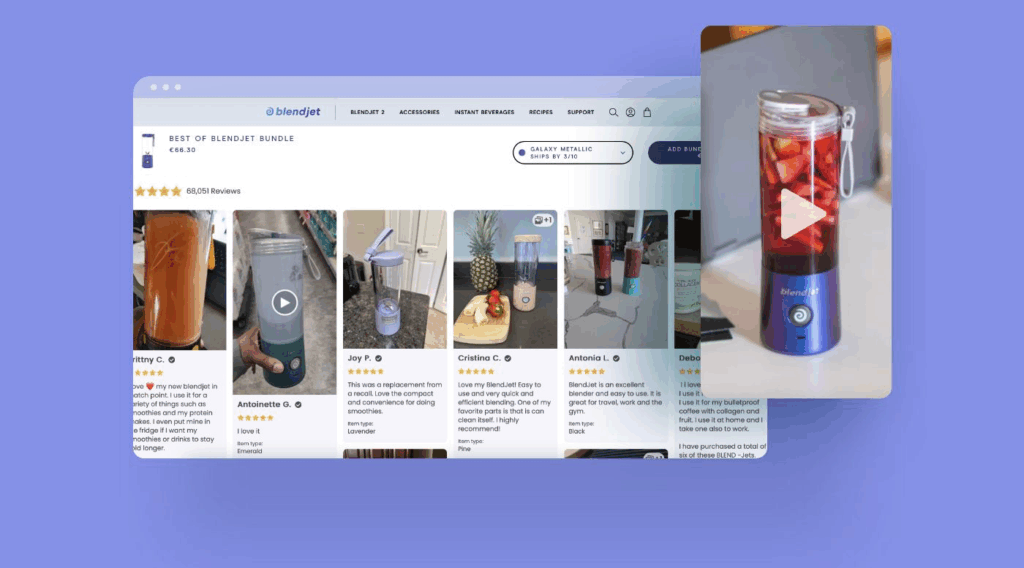
A strong example comes from BlendJet, which used influencer gifting to scale UGC creation across organic social media channels. Before adopting a structured strategy, their team was manually managing creator outreach, shipments, and follow-ups, often sending products without receiving usable social media content in return.
By partnering with Skeepers, BlendJet transformed gifting into a streamlined, performance-driven channel. In just three months, the impact on social media visibility was clear:
- 30K+ reach and 63K+ impressions across organic social media platforms
- 8K+ interactions, with a 2.99% engagement rate, outperforming the industry average (~1%)
- $11.4K+ in EMV generated through gifted creator content
Instead of chasing influencers, creators aligned with the brand opted in, making collaboration faster and more reliable. Gifting multiple product variations such as different colors and bundles also sparked more engaging unboxing experiences and educational demos, helping audiences better understand the product’s versatility.
The result was a steady flow of high-quality, creator-led social media content that felt native across Instagram, TikTok, YouTube Shorts, and Facebook. More importantly, this content wasn’t limited to organic posts. BlendJet repurposed gifted UGC across formats and platforms, extending its lifecycle and reinforcing visibility wherever their target audience scrolled.
Within just a few months, Blendjet saw a clear awareness lift thousands of interactions, strong engagement rates above industry benchmarks, and meaningful earned media value. Gifting became not just a social media content tactic, but a scalable awareness strategy.
When creators genuinely experience your product and share it naturally, awareness compounds across feeds, formats, and communities.
Turn Customers Into Creators
Real buyers already use your products, understand your value, and speak the same language as your future customers. When brands turn customers into creators, awareness shifts from promotion to peer-driven discovery.
Unlike influencer content, customer-generated UGC carries a different kind of credibility. And that makes it highly effective in social media feeds.
Why customer-generated content drives awareness
- It feels inherently trustworthy. Viewers recognize that customers aren’t being paid to persuade, they’re sharing experiences.
- It reflects real-life usage. From unfiltered before/after shots to everyday routines, customer content mirrors how products are actually used.
- It sparks sharing behavior. People are more likely to comment, save, or repost social media content they relate to.
- It expands reach organically. Every customer post introduces your brand to a new micro-network.
In discovery-driven environments like TikTok and Instagram Reels, this kind of authenticity is what stops the scroll and fuels recall.
What customer-to-creator activation looks like
Common activation formats include: Product reviews and testimonials (video-first wherever possible), “First impressions” or unboxing reactions, Before-and-after transformations, How-to or problem-solution videos, Day-in-the-life or routine-based usage clips
The key is simplicity. Customers are far more likely to create social media content when the ask is clear, optional, and frictionless.
From feedback to visibility
Customer content doesn’t just live in reviews sections. When repurposed correctly, it becomes a visibility asset:
- Shared across organic social media feeds
- Integrated into Stories, Reels, and Shorts
- Amplified through paid social to reach new audiences
- Featured in creator-style playlists or community highlights
Turning customers into creators allows companies to scale visibility without scaling production costs. Every review, photo, or video becomes social media proof that travels further than messaging ever could. Over time, this creates a compounding effect, your company appears everywhere, told through voices your audience already trusts.
Repurpose UGC Across Social Media Channels
Repurposing UGC across social media channels is one of the fastest ways to multiply visibility, reinforce recall, and stay consistently present without exhausting creative teams.
UGC is uniquely suited for cross-channel distribution because it’s already platform-native. It doesn’t feel like an ad, it feels like social media content, whether it appears on TikTok, Instagram Reels, Stories, YouTube Shorts, or even Pinterest.
Why repurposing UGC accelerates awareness
- One asset, multiple touchpoints: A single creator video can live as a Reel, a TikTok, a Story, a paid ad, and a Shorts clip, each unlocking new audiences.
- Higher performance across formats: UGC consistently drives higher CTRs and lower CPAs in paid social media compared to brand-led creative, extending awareness through amplification.
- Consistent presence: Repetition across platforms builds familiarity, which is critical for awareness and recall.
- Algorithm-friendly social media content: Platforms prioritize native-looking, creator-style videos, repurposed UGC fits naturally into this preference.
In short, repurposing turns UGC into a visibility engine rather than a one-off post.
How leading brands do it right
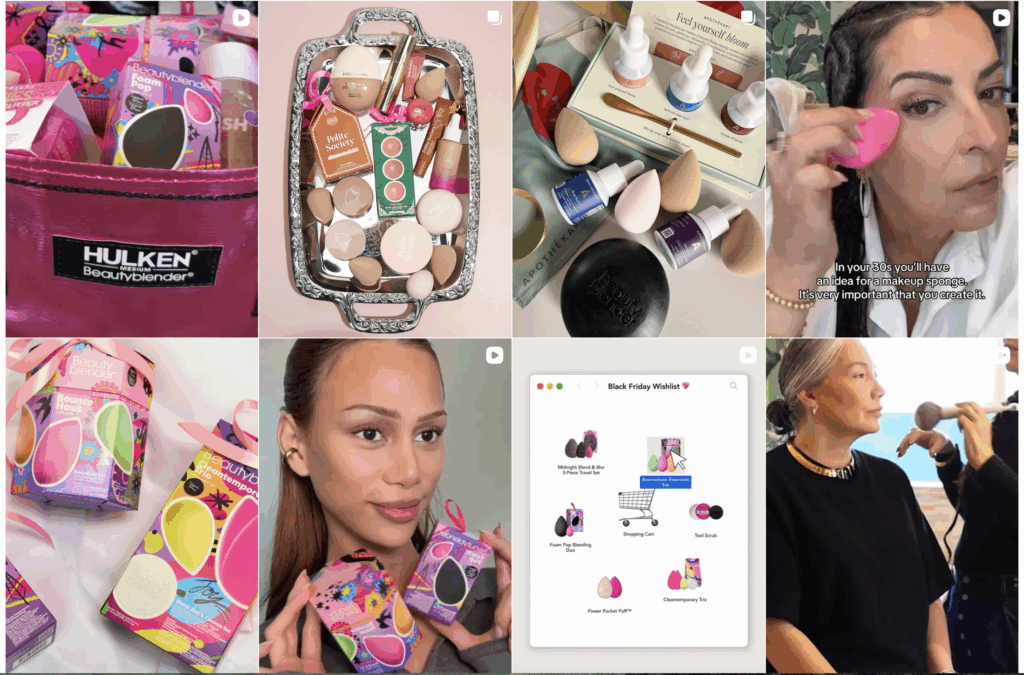
A strong example is Beautyblender, which consistently amplifies creator and customer social media content across its channels. Tutorials, application demos, before-and-after transformations, and real-user routines are not confined to one platform. Instead, they are adapted and redistributed across Instagram, TikTok, and short-form video formats to meet audiences where they scroll.
This strategy allows Beautyblender to:
- Reinforce product education through repetition in different contexts
- Maintain a cohesive narrative powered by real users
- Stay visible across channels without relying solely on studio shoots
By continuously resurfacing UGC, Beautyblender ensures that new audiences encounter authentic product usage again and again strengthening awareness through familiarity rather than force.
To maximize awareness impact:
- Adapt formats, not messages (resize, re-cut, re-caption per platform)
- Mix organic and paid distribution to extend reach
- Rotate creators and use cases to avoid creative fatigue
- Track performance by channel to identify where visibility compounds fastest
Repurposing UGC across social media channels allows you to show up everywhere without starting from scratch every time. When audiences repeatedly see real people using your product across feeds, formats, and platforms visibility becomes unavoidable.
Tap Into Trends and Seasonal Moments
On platforms like TikTok and Instagram Reels, trends move fast and visibility favors those who act early. Pairing trends with UGC and creator content is what makes participation feel natural rather than forced.
Why trends drive awareness in marketing campaigns
- They reduce the discovery barrier. Trending audio, formats, and memes are actively pushed by algorithms.
- They feel native to the feed. Users expect to see trend-based social media content, so branded participation feels less intrusive.
- They encourage sharing. Trend-aligned social media content is more likely to be saved, dueted, or reposted.
- They increase first-time exposure. Trends introduce companies to audiences who may not follow them yet.
How to activate trends with creators
Creators are the fastest way to move on trends because they live inside platform culture. High-performing brands:
- Brief creators to adapt trending audio or formats using real product usage
- Encourage flexible storytelling instead of rigid scripts
- Activate multiple creators simultaneously to increase feed saturation
- Focus on simple, repeatable formats (GRWM, routines, POVs, before/after)
This strategy allows you to participate in trends without compromising authenticity.
Seasonal moments multiply relevance
Beyond daily trends, seasonal moments such as holidays, product launches, cultural events, and retail peaks offer predictable opportunities to increase awareness. UGC plays a key role here: Creator content tied to marketing campaigns such as seasonal routines (summer travel, back-to-work, holidays) across Instagram and TikTok, Gift-focused unboxings and first impressions, Limited-edition drops supported by creator-led storytelling.
When brands plan seasonal UGC ahead of time, they ensure a steady flow of relevant content exactly when consumer attention is highest.
Why trend-aligned UGC travels further
Trend participation works best when social media content looks like it belongs to the moment. UGC consistently outperforms brand-made creative in trend environments because it feels spontaneous, relatable, and timely. The strategy is, instead of interrupting the scroll, trend-aligned UGC rides the wave often earning reach well beyond a brand’s existing audience.
Feature UGC in Paid Social marketing campaigns
Paid social media remains one of the fastest ways to scale visibility but what you amplify matters just as much as how much you spend. Featuring UGC in paid social media marketing campaigns allows brands to combine the scale of paid media with the credibility of real voices, turning ads into discovery moments rather than interruptions.
As audiences grow increasingly ad-aware, traditional brand creatives are easier to ignore. UGC, by contrast, looks and feels like the social media content people already engage with, making this strategy far more effective at stopping the scroll, even when promoted.
Why UGC outperforms branded creative
- Native to the feed: Creator-style videos blend seamlessly into TikTok, Reels, and Stories.
- Instant trust signals: Real people sharing real experiences reduce skepticism.
- Stronger attention metrics: UGC typically drives higher watch time and engagement.
- Better media efficiency: Brands consistently see higher CTRs and lower CPAs versus studio-led ads.
For marketing campaigns, this strategy translates to more impressions that actually land and more memorable brand exposure.
How to integrate UGC into paid funnels
High-performing teams design paid strategies around UGC:
- TikTok Spark Ads that boost creator posts directly (retaining comments, likes, and social proof)
- Meta ads built from creator demos, testimonials, or routines
- Short-form video ads using first impressions, problem–solution hooks, or before/after formats
- Creative rotation across multiple creators to avoid fatigue and broaden appeal
The social media strategy is simple: amplify what already works organically.
A strong example is Beautyblender, which regularly features creator and consumer content in its paid social media marketing campaigns. Instead of relying solely on polished product shots, the brand amplifies tutorials, application demos, and real-user routines created by makeup artists and everyday consumers.
By promoting this social media content through paid placements across Instagram and TikTok, Beautyblender’s social media strategy was to:
- Extend the reach of high-performing creator posts
- Preserve authenticity while scaling impressions
- Reinforce product education through repeated, real-life use cases
Because the ads look like organic social media content, they attract attention without triggering ad fatigue helping the brand stay visible across feeds while maintaining trust.
Build a Brand Community That Fuels Organic Reach
Sustainable visibility isn’t built post by post, it’s built community by community. While marketing campaigns create spikes in visibility, brand communities create momentum. They turn one-time interactions into recurring conversations and transform consumers and creators into long-term advocates who amplify your brand organically.
In social media strategy, where algorithms reward engagement, comments, and sharing, communities are powerful visibility multipliers. Every interaction inside a community increases the chances of your brand being seen beyond your own channels.
Why brand communities drive organic awareness
- They create repeat visibility. Community members interact with your social media content more often, boosting algorithmic reach.
- They unlock peer-to-peer sharing. Social media content shared by knowing peers carries more weight than brand posts.
- They generate UGC continuously. Challenges, discussions, and prompts encourage members to create and share.
- They build emotional loyalty. People advocate for brands they feel connected to not just satisfied by.
This social media strategy means your product shows up repeatedly in feeds through real people, not just your logo.
What a high-performing brand community looks like
Effective communities aren’t passive groups they’re activated ecosystems. Leading brands:
- Bring together creators, consumers, and experts in one space
- Encourage participation through challenges, early access, and recognition
- Use community insights to fuel social media content and marketing campaigns
- Spotlight members publicly to reinforce advocacy
Instead of asking, “How often should we post?”, community-led brands ask, “How do we give people reasons to participate?”

A strong model is Redken and its Redken Insiders community. By bringing hairstylists and professionals into a dedicated community space, Redken’s social media strategy was to create an environment where members regularly share techniques, product experiences, and education-driven social media content.
This peer-led activity naturally spills onto social media, stylists posting results, tutorials, and recommendations that feature Redken products in real-world use. Because the social media content comes from trusted professionals, it travels further and feels more credible than brand-only messaging, strengthening organic reach and long-term awareness.
Brand communities turn visibility from a marketing campaign metric into a compounding asset. When consumers and creators feel like insiders, they don’t just engage, they amplify. Over time, your company becomes part of everyday conversations, not just occasional posts, driving organic reach that no media budget alone can sustain.
Add Social Proof on Product Pages
Product pages are often the first owned touchpoint users visit after seeing your brand on social media, and social proof on these pages plays a critical role in strengthening awareness, credibility, and shareability.
When consumers land on a product page and see reviews, photos, and videos from real consumers, it validates everything they’ve seen on social media. This consistency and strategy between social media feeds and PDPs (Product Detail Pages) is what turns fleeting exposure into lasting brand recall.
Why social proof on product pages boosts awareness
- It reinforces trust at the moment of discovery. Seeing real people use and review a product confirms legitimacy.
- It encourages social media sharing. Consumers are more likely to post, tag, or recommend products they feel confident about.
- It extends UGC beyond social media feeds. Reviews and visuals live longer on PDPs than posts in fast-moving feeds.
- It improves discoverability. UGC-rich product pages often perform better in SEO and retail search results.
For visibility, this matters because your brand story remains consistent wherever consumers encounter it.
What effective PDP social media proof looks like
High-performing companies don’t rely on star ratings alone. They layer:
- Consumer photos and videos showing real-life usage
- Written reviews that highlight specific benefits or problems solved
- “Most helpful” or “verified buyer” indicators
- Social-style UGC that mirrors what users see on TikTok or Instagram
This transforms product pages from static catalogs into dynamic extensions of your social media presence.
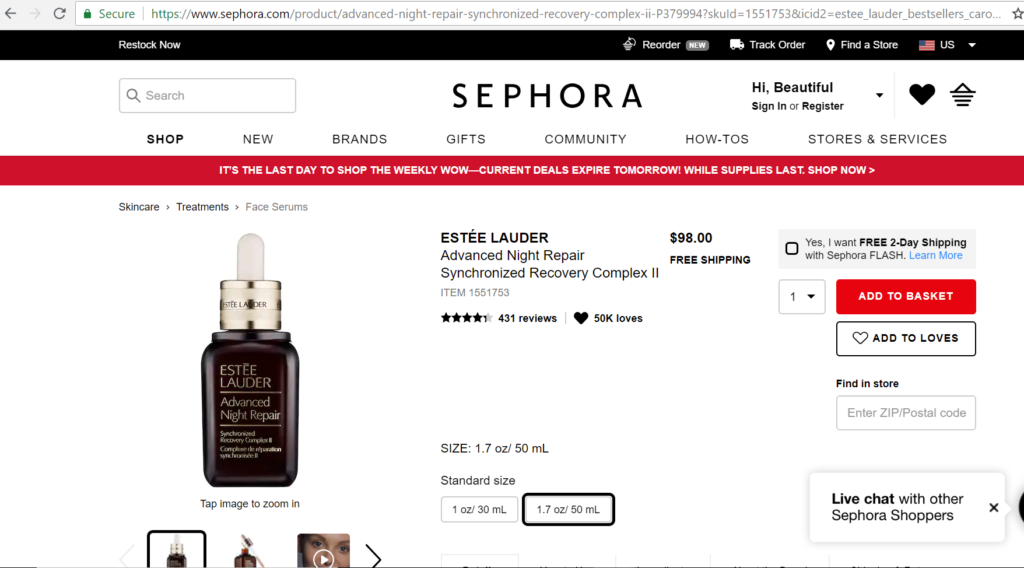
A strong example is Sephora, which integrates ratings, reviews, consumer photos, and videos directly into its product pages. Shoppers see products in action across different skin tones, routines, and real-world contexts.
This social media strategy fuels awareness in two ways. First, it builds immediate confidence for new visitors discovering products for the first time. Second, it encourages consumers to contribute their own reviews and visuals, creating a continuous loop of fresh UGC that feeds both PDPs and social media marketing.
Because Sephora’s product pages feel social and community-driven, they don’t just convert, they amplify visibility across search, social sharing, and retail discovery.
Adding social media proof to product pages ensures that visibility doesn’t fade after the scroll. When real consumer voices appear consistently across social media feeds and PDPs, brands feel familiar, trustworthy, and worth talking about driving awareness well beyond the first impression.
Use UGC to Power TikTok Shop or Social Commerce
Social commerce has collapsed discovery and checkout into a single moment and UGC is the engine that makes it work. On TikTok Shop, people buy because they see real people using real products in real situations. For visibility, this social media strategy creates a powerful flywheel: social media content drives discovery, discovery drives engagement, and engagement fuels even more visibility.
UGC is especially effective in social commerce environments because it removes friction. It answers questions, shows usage, and builds confidence often before a user even realizes they’re in a buying flow.
Why UGC fuels visibility in social commerce
- It shortens the path from discovery to trust. Seeing a product used naturally builds instant credibility.
- It scales visibility fast. Affiliate creators and shoppers amplify social media content across their own networks.
- It aligns with channel behavior. TikTok prioritizes social media content that feels organic, not transactional.
- It encourages repeat exposure. The same product appears across multiple creators, formats, and feeds.
For awareness, this means your product becomes familiar quickly even to users who aren’t ready to purchase yet.
High-performing social commerce brands:
- Partner with micro and nano creators as affiliates
- Encourage simple, repeatable formats (demos, routines, before/after, POVs)
- Focus on education and problem-solving rather than selling
- Allow creators to personalize messaging while keeping usage authentic
The result is a constant stream of creator-led content that keeps the product top of mind across the channel.
A strong example is Garnier, which actively leverages creator-led UGC to power visibility across TikTok Shop and social commerce formats. Instead of relying solely on ads, Garnier amplifies affiliate creator videos that demonstrate real routines, application tips, and results.
By encouraging everyday creators to share honest experiences, the brand’s social media strategy is that Garnier products repeatedly surface in TikTok feeds—often attached directly to shoppable links. This repetition builds rapid brand awareness, particularly among new audiences discovering the company and its products through peer-led social media content rather than traditional advertising.
Spotlight Your Creators Publicly
If creators help build your visibility, public recognition is what sustains it. Spotlighting creators isn’t just a feel-good gesture, it’s a strategic way to increase visibility on social media by encouraging repeat UGC, deeper advocacy, and wider organic reach.
When companies actively showcase creators, they signal two things at once: this brand values real people, and this brand is worth creating for.
Both directly fuel brand awareness.
Why spotlighting creators boosts brand awareness
- It incentivizes more UGC. Creators are far more likely to post again when they feel recognized.
- It extends organic reach. Featured creators reshare mentions, exposing your products to new audiences.
- It builds credibility at scale. Audiences trust brands that visibly collaborate with real people.
For awareness-focused brands, creator spotlighting turns one-time collaborations into long-term amplification.
High-performing companies make creator recognition visible and repeatable:
- Reposting creator content on feeds
- Featuring creators in Instagram Highlights or TikTok playlists
- Tagging and crediting creators clearly (never anonymizing UGC)
- Sharing behind-the-scenes stories, creator quotes, or “creator of the week” features
- Highlighting creators across launches, marketing campaigns, and seasonal moments
This social media strategy transforms your social presence from brand-centric to community-led exactly what today’s audiences respond to.
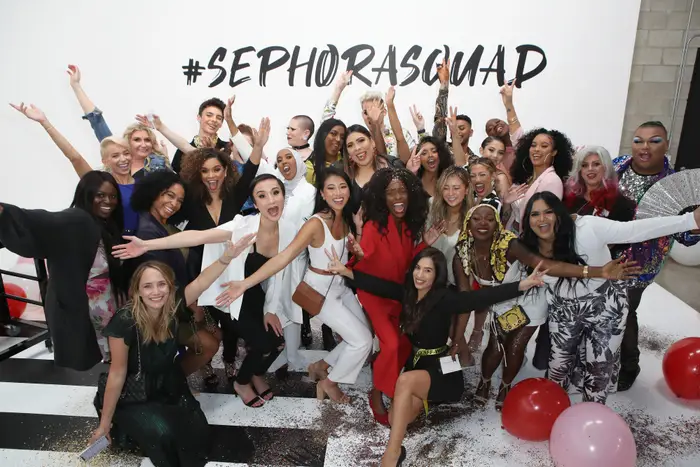
A strong example is Sephora and its Sephora Squad program. The brand doesn’t just collaborate with creators it actively spotlights them across social media channels, marketing campaign visuals, and ongoing content series.
Creators are featured in posts, Stories, and Highlights, often sharing personal routines, product recommendations, and tutorials. This visibility motivates creators to consistently post about Sephora, while their audiences repeatedly encounter their products through trusted faces not ads.
By publicly celebrating its creators, Sephora ensures a continuous stream of authentic social content and keeps the company present across multiple creator communities at once driving brand awareness far beyond its own follower base.
Conclusion
The social media strategy to increase visibility on today isn’t about posting more, it’s about showing up in the right way, through the right voices, and in the right moments. These are the benefits of social media. As feeds become more crowded and attention spans shorter, the ones that feel human, credible, and consistently are present across touchpoints. From collaborating with micro and nano influencers to launching strategic gifting programs, turning consumers into creators, repurposing UGC across channels, tapping into trends, amplifying UGC through paid social media, building brand communities, integrating social proof on product pages, powering social commerce, and spotlighting creators publicly the common thread is clear: real people drive real brand awareness.
FAQs
What are the 5 pillars of brand awareness?
The five pillars of visibility work together to shape how visible, credible, and memorable a brand is. Visibility refers to how often and where a product appears across social media channels, paid media, search, and retail environments. Consistency ensures that these appearances reinforce the same message, tone, and identity over time. Credibility comes from trust signals such as reviews, UGC, and creator recommendations, which validate claims. Relevance reflects how well a brand connects with audience needs, trends, and cultural moments. Memorability is the outcome of all these pillars working together how easily consumers recall a company when thinking about a category or problem.
How to measure brand awareness?
Visibility is measured through a combination of reach-based, engagement-based, and intent-based signals. Metrics such as reach, impressions, engagement rates, mentions, and share of voice indicate how widely a brand is being seen and discussed. Branded search volume and direct traffic help reveal whether exposure is translating into recall. EMV and brand lift studies add another layer by quantifying the impact of organic visibility. Because awareness builds over time, it is best evaluated through trends rather than isolated marketing campaign results.
How to build brand awareness?
Visibility is built by consistently showing up through trusted voices and relevant content. This includes collaborating with creators, activating consumer-generated content, participating in trends, and repurposing UGC across organic, paid, and retail channels. The most effective companies focus on sustained exposure powered by authenticity, ensuring that audiences encounter the product repeatedly in formats that feel native and credible rather than promotional.
How do reviews increase brand awareness?
Reviews increase visibility by extending a brand’s presence beyond its own social channels. They appear in search results, retail channels, and social feeds, introducing the brand to new audiences while reinforcing trust for those already familiar with it. Reviews also encourage sharing and discussion, which amplifies reach organically. Over time, a steady flow of reviews keeps a product visible and relevant, even outside of active marketing campaigns.
Why is visibility important?
Visibility is critical because it shapes preference before purchase intent exists. Companies that are familiar are easier to trust, more likely to be considered, and less dependent on heavy promotional pressure. Strong brand awareness improves paid campaigns efficiency, shortens decision cycles, and supports long-term growth by making the brand feel established rather than interchangeable in crowded markets.
What is visibility in retail?
In retail, visibility refers to how easily shoppers recognize and recall a brand at the moment of decision, whether online or in-store. It is reinforced through reviews, ratings, consumer photos, and creator content displayed on product pages and retail channels. When social discovery and retail experiences are aligned, brand awareness carries seamlessly from feed to shelf, increasing both confidence and consideration.